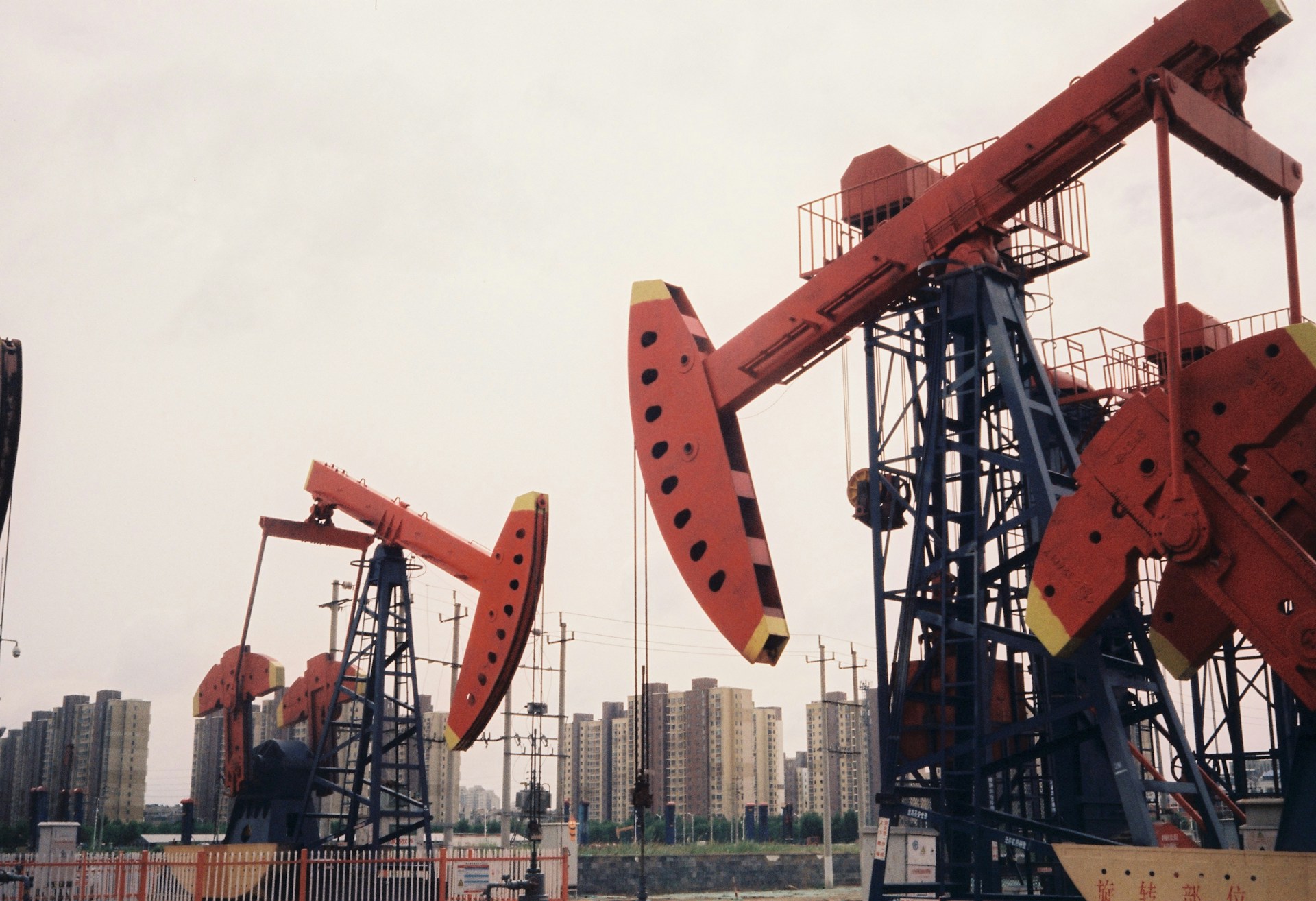
The global oil market is teetering on the edge of a rather precarious “red zone” this summer. If the ongoing quagmire in the Middle East doesn’t find a swift resolution, we are staring down the barrel of a severe supply shortage by July or August. The International Energy Agency’s executive director, Fatih Birol, sounded the alarm during a recent Chatham House event, pinning the issue firmly on the traditional summer getaway. By late June and early July, the holiday season gets into gear, and naturally, global crude demand spikes just as supply lines are choking.
Compounding this seasonal headache is the sheer geopolitical friction tearing through the global economy. Iran’s quasi-blockade of the Strait of Hormuz has thrown a massive spanner in the works of international trade. We are talking about a vital maritime artery that historically handles a fifth of the world’s crude and liquefied natural gas consumption, now sitting firmly under Tehran’s thumb. This isn’t just a distant diplomatic squabble; it’s a fundamental supply shock that threatens to starve downstream operators precisely when they need crude the most.
When the global taps start running dry and raw material prices swing wildly, the shockwaves hit regional refiners squarely in the balance sheet. Take Thai Oil PCL, for instance. As one of Thailand’s heavyweights in the sector, they are currently navigating a massive transitional phase to keep their head above water in a fiercely competitive Asian energy market. The firm is pouring serious capital into upgrading its refining infrastructure and expanding into petrochemical derivatives. For market watchers, the interplay between their project rollouts, volatile refining margins, and their sheer systemic importance to Thailand’s domestic energy grid is becoming a fascinating bellwether for the region.
At its core, Thai Oil runs an incredibly complex integrated operation. They scoop up crude from various global sources—a notoriously tricky feat given the current logistical nightmare in the Gulf—and process it into petrol, diesel, and aviation fuel. Firmly embedded within the PTT Group’s network, they effectively act as the lifeblood of Thailand’s transport infrastructure. A massive part of their current playbook involves tweaking the refinery product mix. They are deploying advanced upgrading units designed to crack heavier, sluggish feedstocks into lighter, high-margin fuels, a shrewd move aimed at squeezing maximum commercial value out of an increasingly expensive barrel.
Unsurprisingly, their bread and butter remains petrol and diesel, deeply pegged to the ebb and flow of the Thai economy, domestic haulage, and consumer spending. But the real wild card, especially as Birol’s forecasted summer travel surge approaches, is aviation fuel. Jet kerosene off-take is massively tethered to Thailand’s status as an international tourism hub. A bustling holiday season means skyrocketing demand for flights, provided airlines can stomach the fuel costs. To hedge against this inherent boom-and-bust volatility and fend off mounting regulatory heat, Thai Oil is also quietly pivoting towards sustainable energy solutions. They are chipping away at plant emissions and exploring alternative feedstocks, attempting to balance the immediate, aggressive thirst for summer crude with the creeping inevitability of ESG compliance.