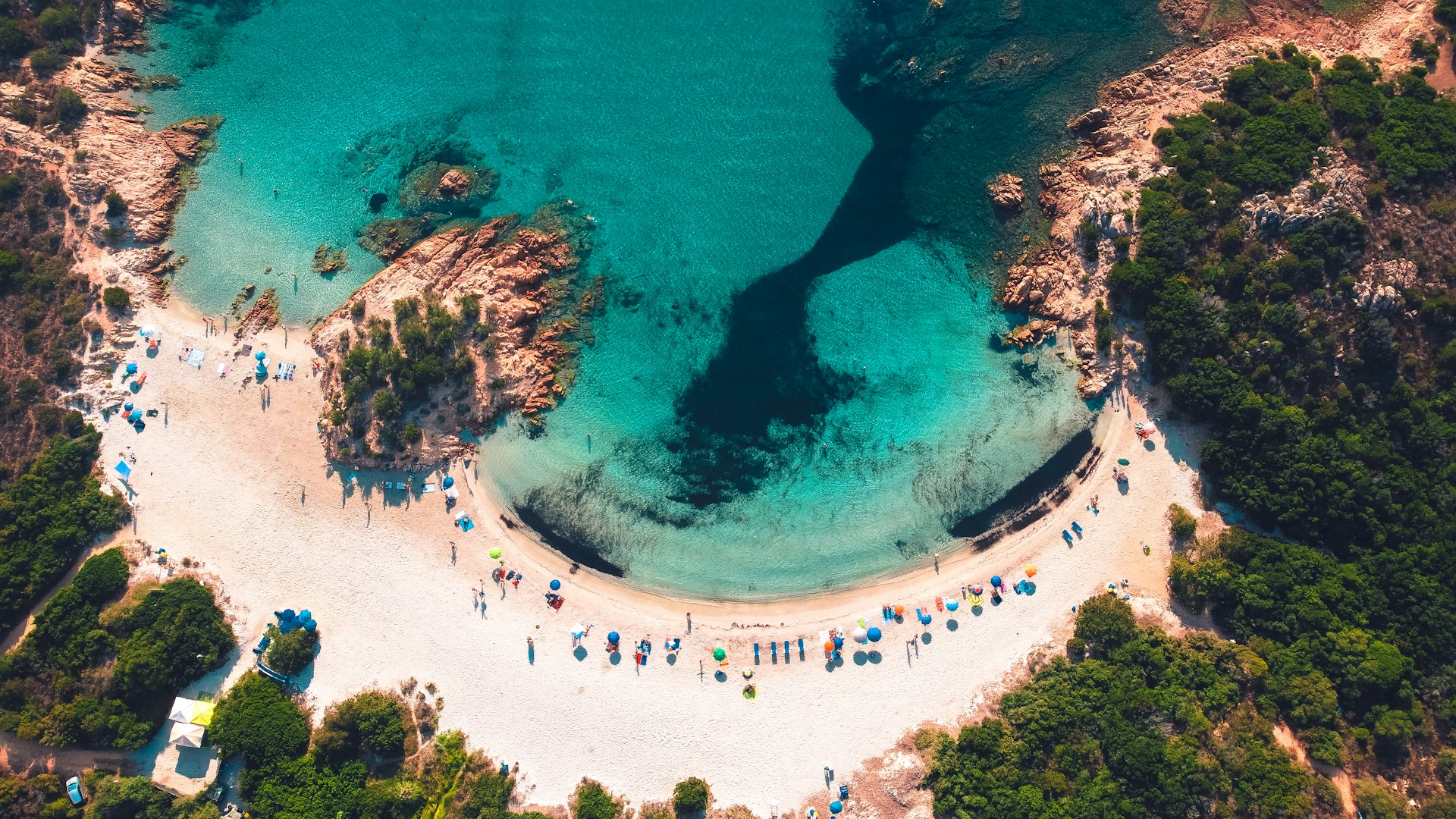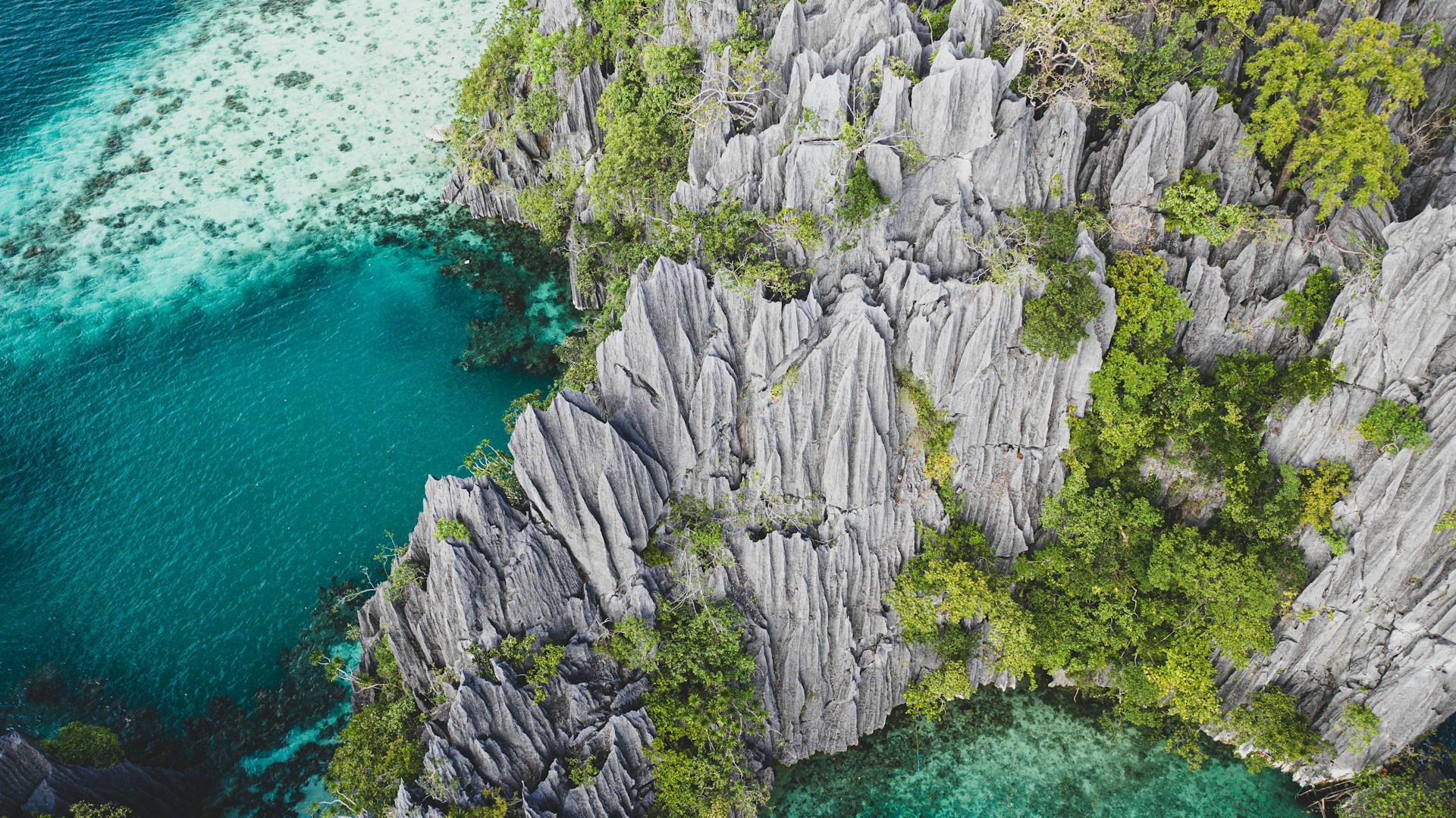
With an archipelago comprising some 7,000 islands scattered across the tropical expanse of the Pacific, the Philippines presents a staggering variety of coastal retreats. Whether one seeks secluded coves, vast stretches of sand, premier surfing spots, or simply a place to lie dormant under the sun, this Southeast Asian nation provides it all. However, locating the precise spot to match one’s holiday requirements demands a degree of careful investigation. To assist in navigating this abundance, we have curated a selection of the finest beaches the country has to offer, alongside recent developments in travel policy intended to bolster tourism.
The Northern Frontiers and Diving Hubs
For those inclined towards the underwater world, Malapascua Island in the Visayas is a destination that deals in superlatives. While the local population comprises boatbuilders and coconut farmers, the island’s primary allure is its reputation as a hub for thresher shark diving. At Monad Shoal, sightings of these trident-tailed fish in the shallow depths are almost guaranteed. On land, Bounty Beach serves as the social centre, where divers gather in a network of sandy lanes and bars to recount the day’s aquatic drama.
Venturing further north to the tip of Luzon, one encounters the road-free Palaui Island. Here, the landscape is punctuated by colonial-era Spanish relics, including the Cabo Engaño lighthouse. Visitors arriving by outrigger boat at Siwangag Cove must hike through thick forest to reach the panorama, a journey that rewards the restless traveller. Notably, the island enforces an environmental levy and restricts accommodation to homestays, preserving its pristine condition.
The Giants of Tourism
No discussion of Philippine beaches is complete without mentioning Boracay’s White Beach. Historically the catalyst for the region’s tourism boom, it boasts powder-blue waters and sand that soothes the soul. While it now rivals Bali in terms of crowd density, it remains a dependable location for high-octane activities, ranging from kitesurfing to parasailing.
Similarly renowned is the Bacuit Archipelago in Palawan. Although El Nido has been on the radar of knowledgeable holidaymakers for years, the surrounding marine sanctuary retains its lustre. It is best explored via island-hopping tours that reveal secret beaches accessible only by swimming through rock gaps, such as those on Matinloc Island, or the emerald lagoons of Miniloc.
Surfing and Natural Phenomena
For surfing enthusiasts, Siargao offers the legendary Cloud 9 reef break. While surfers are often prone to exaggeration, the reports of white-pouring surf against a jungle backdrop here should be taken at face value. It has arguably become one of the most discussed surf spots in Southeast Asia, meaning the sands are rarely empty.
In contrast, White Island in Camiguin offers a fleeting beauty. Situated off the coast of Mindanao, this pearl-shaped sandbar exists at the mercy of the tides; visitors must take an outrigger canoe from Yumbing at low tide, lest the beach vanish entirely into the sea.
Retreats for the Connoisseur
Travellers seeking solitude akin to the Philippines of the 1970s should look to Long Beach near San Vicente, Palawan. This undeveloped slice of paradise spans six miles of porcelain-white sand, offering a hawker-free experience that is increasingly rare.
Equally tranquil is Sugar Beach in Sipalay, located in the Western Visayas. Cut off by a tidal river, it exists in a bubble of serenity, perfect for sunset watching or exploring the nearby Danjugan Island Marine Reserve. Meanwhile, Santa Fe on Bantayan Island has made a remarkable recovery following Typhoon Haiyan in 2013, re-establishing itself as prime territory for an easy-going break amidst Spanish colonial history. Finally, Panglao Island’s Alona Beach offers a lively alternative, where turquoise waters by day give way to a carnival atmosphere by night.
Easing Access for International Visitors
Complementing these natural wonders, the Philippine government has moved to facilitate easier access for key international markets. In a bid to strengthen trade, investment, and people-to-people exchanges, the Department of Foreign Affairs in Manila has announced a new visa-waiver programme for Chinese nationals.
Under this new directive, Chinese tourists and business travellers will be granted visa-free entry for up to two weeks. This scheme applies specifically to those arriving via Ninoy Aquino International Airport in Metro Manila and Mactan-Cebu International Airport. By reducing bureaucratic hurdles, authorities aim to encourage further exploration of the archipelago’s diverse offerings, from its bustling cities to the serene beaches detailed above.