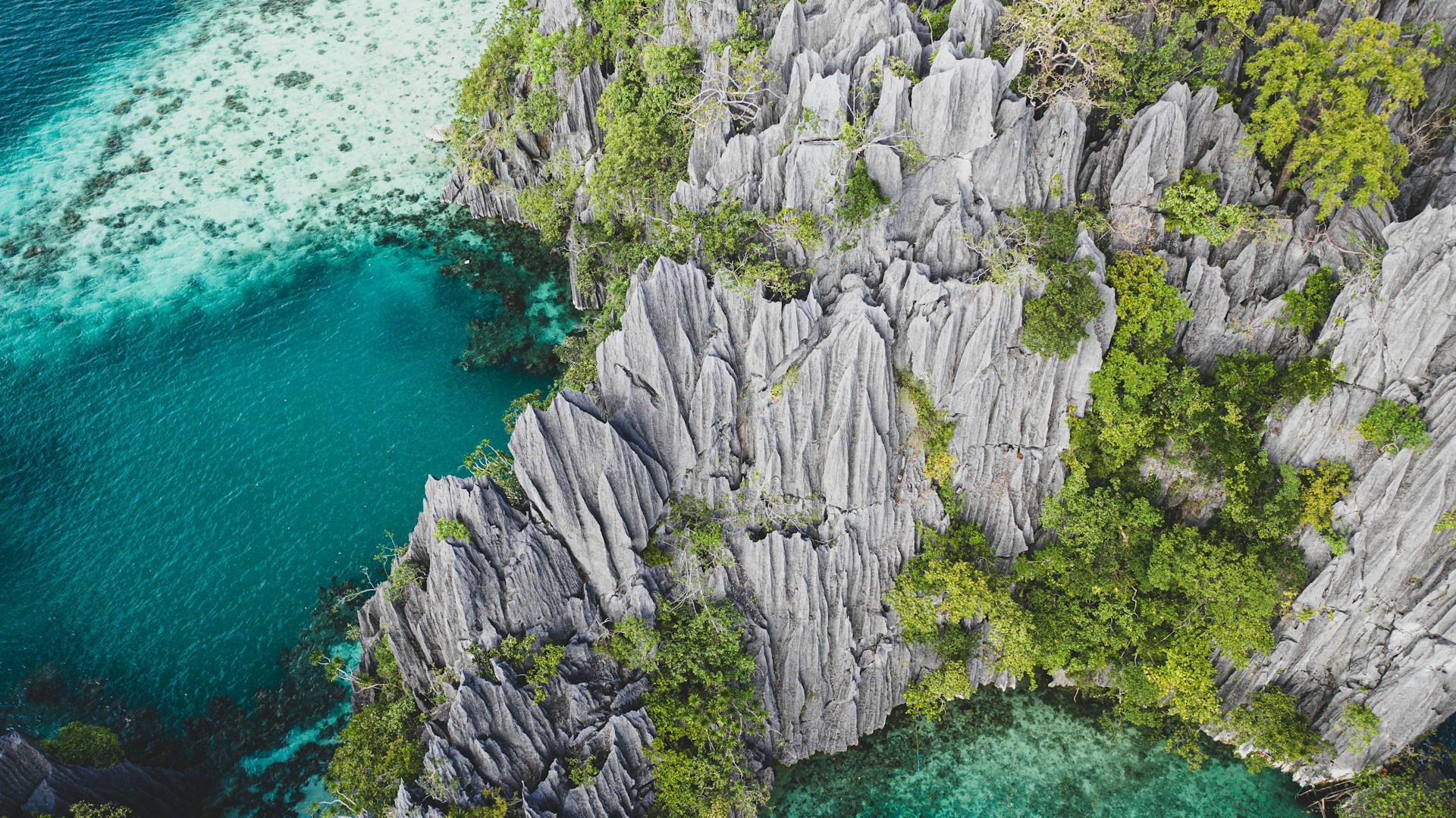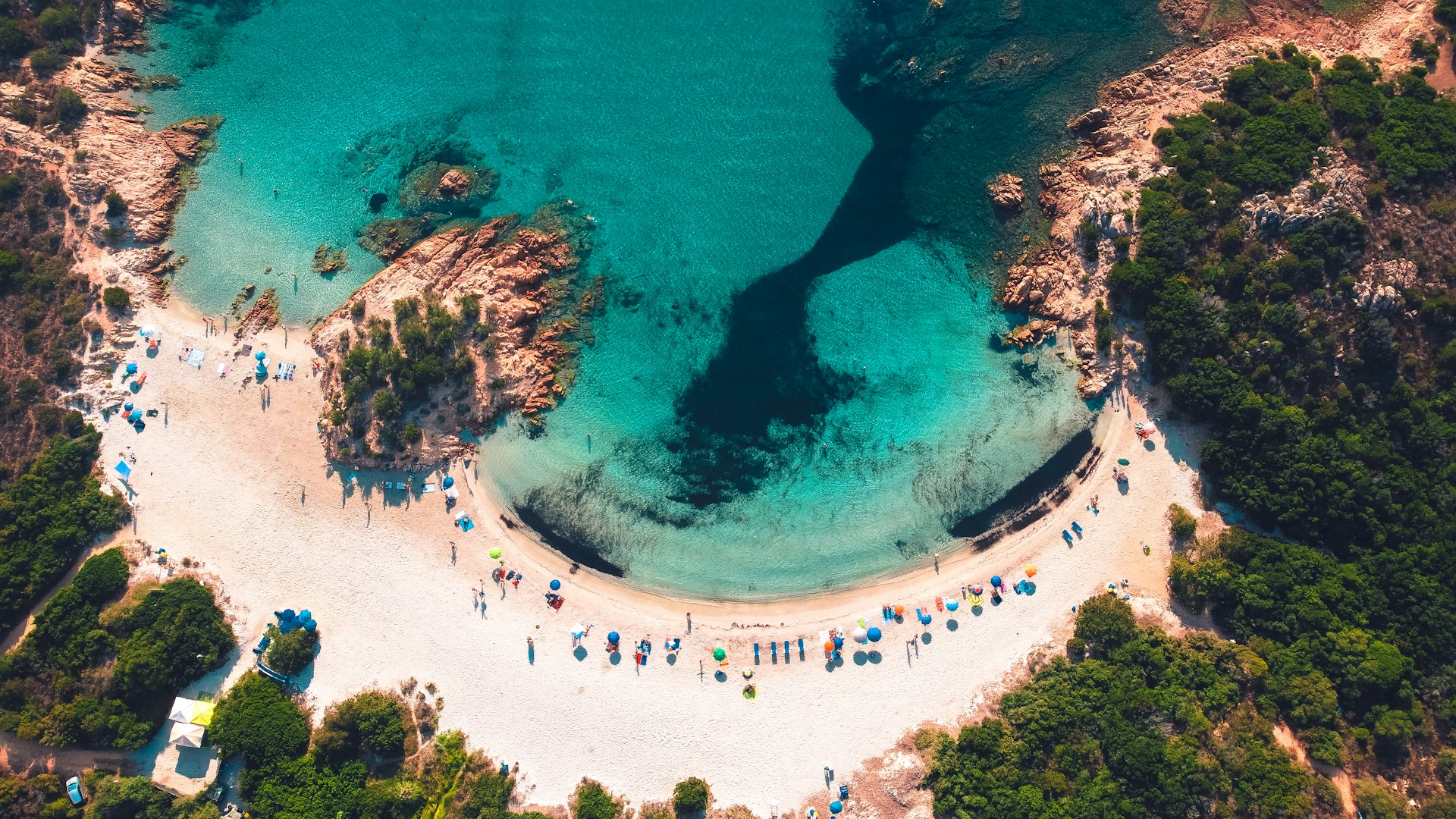
Although technically a constituent part of Italy, Sardinia has always possessed a fiercely independent spirit. It is an island of striking contrasts, a place where the glitz of the Costa Smeralda sits comfortably alongside timeless villages, and where artisans maintain crafts that have weathered the centuries. While many holidaymakers are naturally drawn to the 1,150 miles of coastline and its jaw-dropping beaches, the island’s savage hinterland—a rugged terrain scattered with ancient stones—offers an equally compelling narrative. From the bustling, history-rich capital of Cagliari to protected marine reserves teeming with pink flamingos and albino donkeys, the island serves up a heady mix of nature, culture, and gastronomy.
Echoes of Antiquity
For those keen to peel back the layers of history, the island offers some truly remarkable archaeological sites. Sitting on a rugged sliver of land jutting into the sea from the south, the remains of the ancient Roman city of Nora rank amongst Sardinia’s finest treasures. Built upon earlier Nuraghic and Punic settlements, Nora flourished as a colony of nearly 10,000 inhabitants. Today, one can stroll amongst the atmospheric ruins of private villas, temples, and thermal baths, or marvel at the well-preserved theatre which once held over a thousand spectators. Whilst independent visits are possible via shuttle from Pula, a guided tour is highly recommended to truly appreciate the weight of history in these stones.
Moving further back in time, the landscape is dotted with mysterious Bronze Age structures unique to the island. Known as nuraghes, these stone towers—resembling beehives—were erected by the Nuragic people around 1,500 BC. Whether they served as strongholds or dwellings for village leaders remains a topic of debate, but their presence is commanding. The Nuraghe La Prisgiona at Arzachena and the Unesco-listed Nuraxi Nuraghe in Barumini stand as some of the finest examples of this prehistoric architecture.
The Call of the Wild
Beyond the ancient stones, Sardinia’s natural world beckons. The north-eastern coast provides a splendid vantage point for spotting cetaceans, specifically a family of bottlenose dolphins that has taken up residence in the waters surrounding the small island of Figarolo. Attracted by a nearby fish farm, these intelligent creatures are a common sight, and booking a boat tour with experienced marine guides offers the best chance of an encounter.
For a more terrestrial adventure, Oasi Biderosa offers a sanctuary of peace. This protected reserve features a chain of coves and serene beaches, perfect for a bracing ride through fragrant pine forests and olive groves. Electric mountain bikes can take the strain out of the journey, allowing visitors to focus on the lagoons where flamingos stand sentry. Access is strictly limited to preserve the tranquillity, so booking ahead is essential for those driving.
Perhaps the most curious natural wonder is found on the uninhabited island of Asinara. Once known as Italy’s Alcatraz, this former high-security prison colony held everyone from captured WWII soldiers to mafia bosses. Since 1997, it has been transformed into a national park, famous for its free-roaming albino donkeys. With private cars banned, the island is a haven for hikers and cyclists, though tourist trains and Jeep tours are available for those wishing to explore this weird and wonderful landscape.
A New Chapter in Luxury Hospitality
Whilst the island is steeped in ancient tradition, its hospitality sector continues to evolve with significant modern investments. The hotel portfolio on the north-eastern coast is set to be enhanced by the arrival of the W Sardinia Poltu Quatu. Following a soft opening in the summer of 2025, the property prepares for its full launch in spring 2026. Nestled in a natural fjord between Porto Cervo and Baia Sardinia, right by the Marina dell’Orso, the hotel promises to be a striking addition to the region.
The architecture and design, a collaboration between the Meyer Davis studio and DE. Tales, seeks to create a dialogue between the contemporary W branding and Sardinian identity. White structures cascade along the cliffs, framing the central pool deck, whilst incorporating existing architectural elements like arched niches. The interiors draw inspiration from local myths, such as the legends of the Janas, utilising Orosei marble, ceramics, and soft curves to create a sense of place. A sculpture by local artist Nicola Filia, crafted from steel and clay, greets guests at the entrance, referencing both the island’s industrial past and environmental fragility.
Design, Dining and Wellness
The 154 rooms and suites reflect a palette of sand and sea, featuring bespoke ceramic headboards and wall coverings that nod to the Nuragic civilisation. The accommodation is elevated by handcrafted artworks from local artisans, with an exclusive penthouse offering a private terrace, pool, and bar.
Culinary offerings are heavily focused on regional produce. The Tanit restaurant serves Sardinian seafood with views over the marina, whilst the ‘Dolce Room’, led by pastry chef Fabrizio Fiorani, offers an interactive dessert experience. Current wellness facilities include a 24-hour gym, with a full spa and the W Beach Club scheduled to join the lineup for the 2026 summer season. In a bid to engage with the local community, the hotel has also launched an artist-in-residence programme, offering guests pottery workshops and pasta-making classes, ensuring that even in a modern luxury setting, the authentic soul of Sardinia remains within reach.